Bare-Root Hedging: How to Create Privacy for Less This Winter


Bare-root hedging is one of the most practical ways to add privacy, structure and wildlife value without paying for rows of large container-grown shrubs. For most deciduous hedge plants, the UK planting window runs from leaf fall through late winter—provided the soil is workable rather than frozen or waterlogged.
The trade-off is patience. Bare-root plants arrive dormant and twiggy, not as an instant green wall. Choose them when you are happy to plan for the mature hedge, look after it through its first two growing seasons and let good design do more than plant size.
What does “bare root” actually mean?
A bare-root hedge plant has been lifted from the nursery field while dormant and supplied without a pot or a heavy ball of compost. Smaller plants are often called whips. Their light weight makes a long run of hedging easier to transport and plant, while the absence of pots reduces plastic and bulk.
The format is seasonal because the roots must not dry out once the plant has been lifted. The RHS hedge-planting guide recommends planting deciduous hedges from mid-autumn to late winter and delaying work when soil is waterlogged or frozen. If planting has to wait, protect the roots and heel the plants into soil temporarily.

Why a hedge is more than a replacement fence
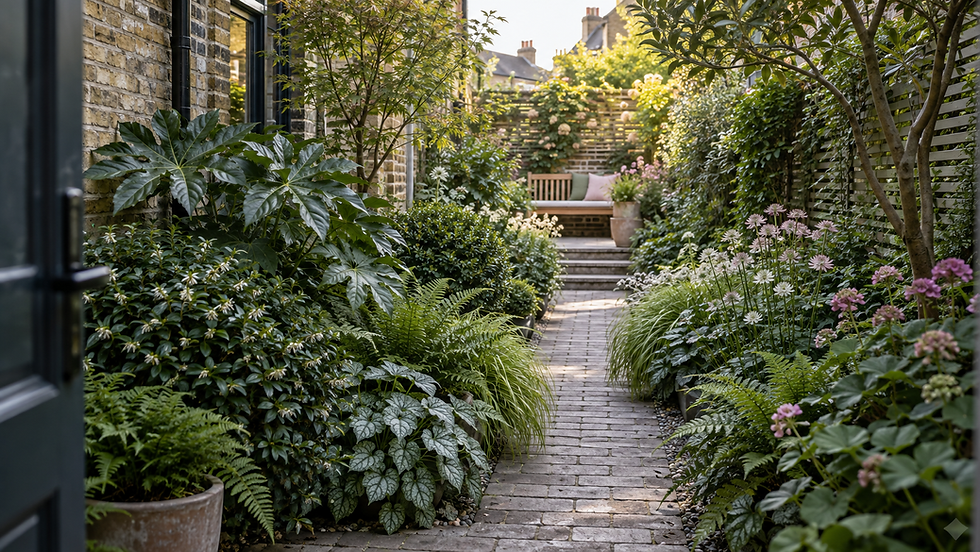
A hedge can screen a boundary, but it can also shape the garden. It can narrow a view towards a focal point, divide a long plot into rooms, shelter a sitting area or create a calm green backdrop for looser planting. That spatial role should be decided before you order plants.
John Brookes’ influential design idea of the garden as a usable extension of the home is still useful here: the boundary should support how the space is lived in, not simply close it off. His approach is summarised in the revised How to Design a Garden. In practice, that means checking views from windows and seats, maintenance access and the amount of light a mature hedge will take.
If privacy is the main concern, resist the urge to plant the tallest possible species on every boundary. A hedge only needs to interrupt the important sightline. In some gardens, a shorter hedge combined with a small tree or a well-positioned screen feels lighter and works better.
Choose the hedge for the site, not the photograph
Deciduous species make up much of the bare-root choice. Some hold leaves or twig density through winter; others are best for a softer native boundary. Evergreens can be available bare root or root-balled from specialist suppliers, but many are more commonly bought in containers or with a protected root ball. Check the actual format before assuming every hedge can be ordered the same way.
Beech (Fagus sylvatica): a crisp formal hedge for free-draining soil. Clipped plants often retain copper-brown leaves into winter, giving partial screening.
Hornbeam (Carpinus betulus): similar in feel to beech but generally the more forgiving choice on heavier or colder sites.
Hawthorn (Crataegus monogyna): dense, thorny and well suited to an informal or native-style hedge.
Mixed native hedge: a blend such as hawthorn, field maple, hazel, hornbeam and dogwood can bring varied foliage, flowers and fruit. Match the mix to the soil and available width.
Yew or privet: useful when year-round green structure matters, but confirm plant format, drainage and maintenance needs with the supplier.
The RHS hedge-selection guide is a helpful cross-check for soil, aspect, final height and style. Treat nursery “growth rate” as only one factor: the hedge you can keep at the right height and width is usually a better design choice than the fastest one.
Single row or double row?
A single row suits most domestic boundaries and uses less garden width. A staggered double row creates a broader, denser native hedge, but it needs more plants, more preparation and enough room to maintain both sides. Do not squeeze a double row into a narrow strip and expect it to remain slim.
Spacing is species- and supplier-specific. As a general reference, the Woodland Trust hedge-planting guidance uses roughly 30cm between plants in a single row, or five plants per metre in two staggered rows. Use the instructions supplied with your chosen plants rather than treating that as a universal formula.

How to plant bare-root hedging well
Check the boundary and mature width. Leave enough space to trim the hedge from your side without routinely leaning over a neighbour’s land or blocking a path.
Prepare a strip, not a chain of cramped holes. Remove perennial weeds and loosen compacted soil across the rooting zone. Fix drainage or severe compaction before planting.
Keep roots covered. Open one bundle at a time and protect the remaining roots from wind and sun with damp hessian, paper or soil.
Set plants at their previous depth. Use the soil mark on the stem or keep the first root flare just visible; do not bury the stems deeply or bend roots into a tiny hole.
Backfill and firm gently. Work soil around the roots to remove large air pockets while keeping the plant upright.
Water thoroughly. Dormant planting still needs good root-to-soil contact and moisture. Water again during dry spells.
Mulch and keep the base clear. An organic mulch helps conserve moisture and suppress weeds, but keep it clear of the stems.
The first two years decide more than planting day
A young hedge is competing with grass and weeds while building its root system. Keep a clean strip around it, water deeply in dry weather and replace failures during the next dormant season. Windy sites may need temporary support or shelter, but avoid tying every whip so rigidly that it cannot move naturally.
Pruning depends on species and the form you want. Native whips are often cut back to encourage low, bushy growth, whereas beech and hornbeam need a training approach that builds density without sacrificing the intended height. Follow species-specific advice rather than giving every new hedge the same hard chop.
For a boundary that must solve overlooking as well as planting, start with our guide to privacy in new-build gardens. It explains how sightlines, trees, pergolas and layered planting can work with a hedge instead of making it carry the whole job.

Before you plant beside a neighbour
Agree the practical details early: who owns the boundary, where the stems will sit, how both faces will be maintained and the height you are aiming for. A few centimetres of sensible setback now can prevent years of awkward cutting later.
For residential gardens, there is not a blanket legal maximum hedge height. However, the GOV.UK high-hedges guidance explains that councils may become involved where a barrier of two or more mainly evergreen or semi-evergreen plants is over two metres and affects enjoyment of a home or garden. Protected trees, conservation areas and active bird nests can add other constraints, so check locally before major cutting or removal.
Is bare-root hedging right for your garden?
Choose it if you have a longer run to plant, can work within the dormant season and are comfortable waiting for the hedge to fill out.
Choose container-grown or root-balled stock if you need a species not readily available bare root, are planting outside the dormant window or need a stronger immediate effect.
Pause the project if the soil is waterlogged, frozen, severely compacted or the final maintenance width has not been allowed for.
The best value comes from specifying the right hedge once. Replacing an unsuitable fast grower, correcting a hedge planted too close to paving or nursing roots that dried out on delivery is not a saving.
Plan the boundary as part of the whole garden
Urban Plot’s human-led design packages can resolve privacy, routes, planting depth and boundary structure together, so the hedge supports the wider layout rather than becoming a separate strip around the edge. The plans also make plant quantities and contractor conversations clearer.
Already have a planting plan? You can also source plants through Urban Plot for a coordinated garden order.